
Pragmata Review
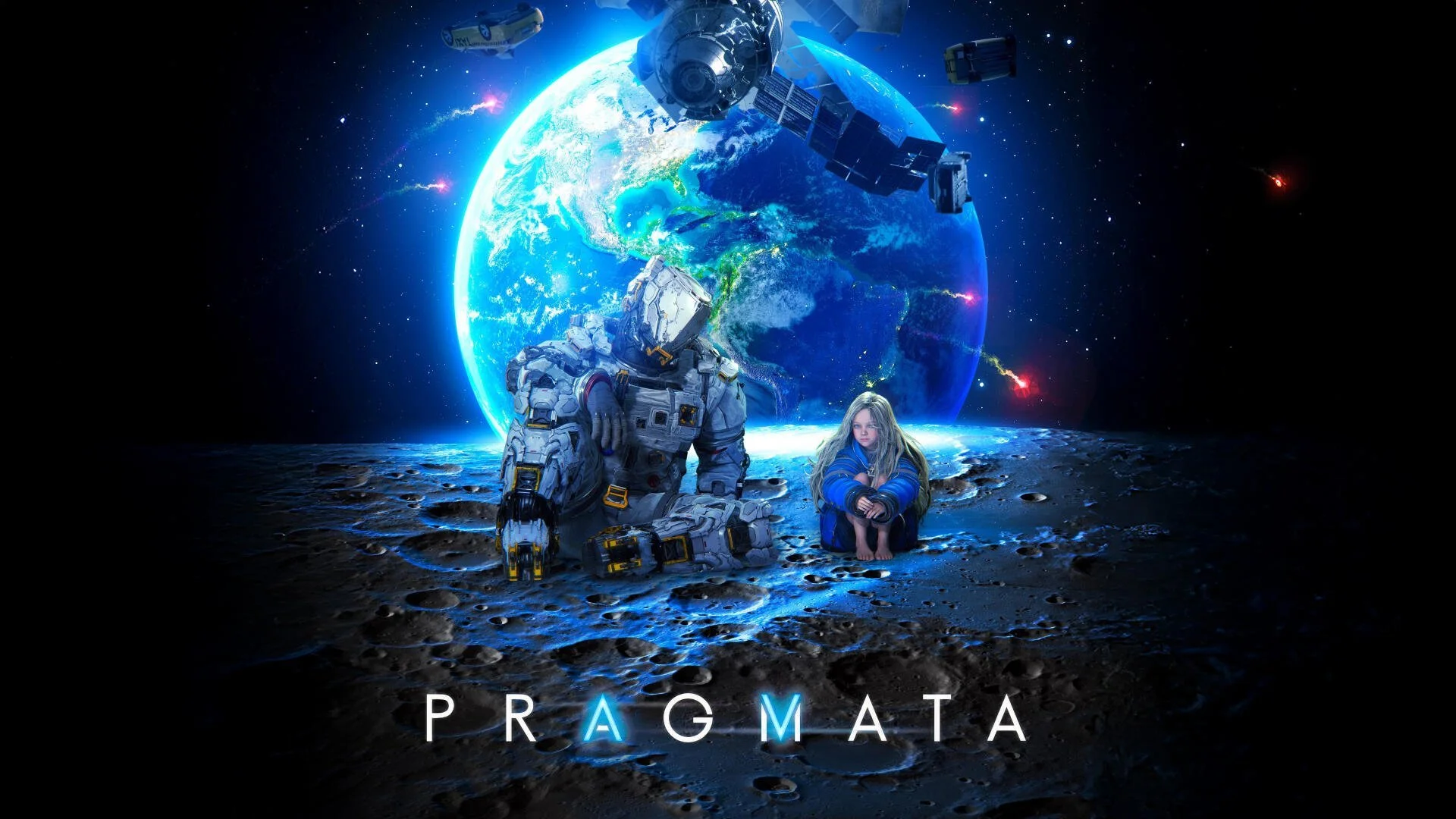
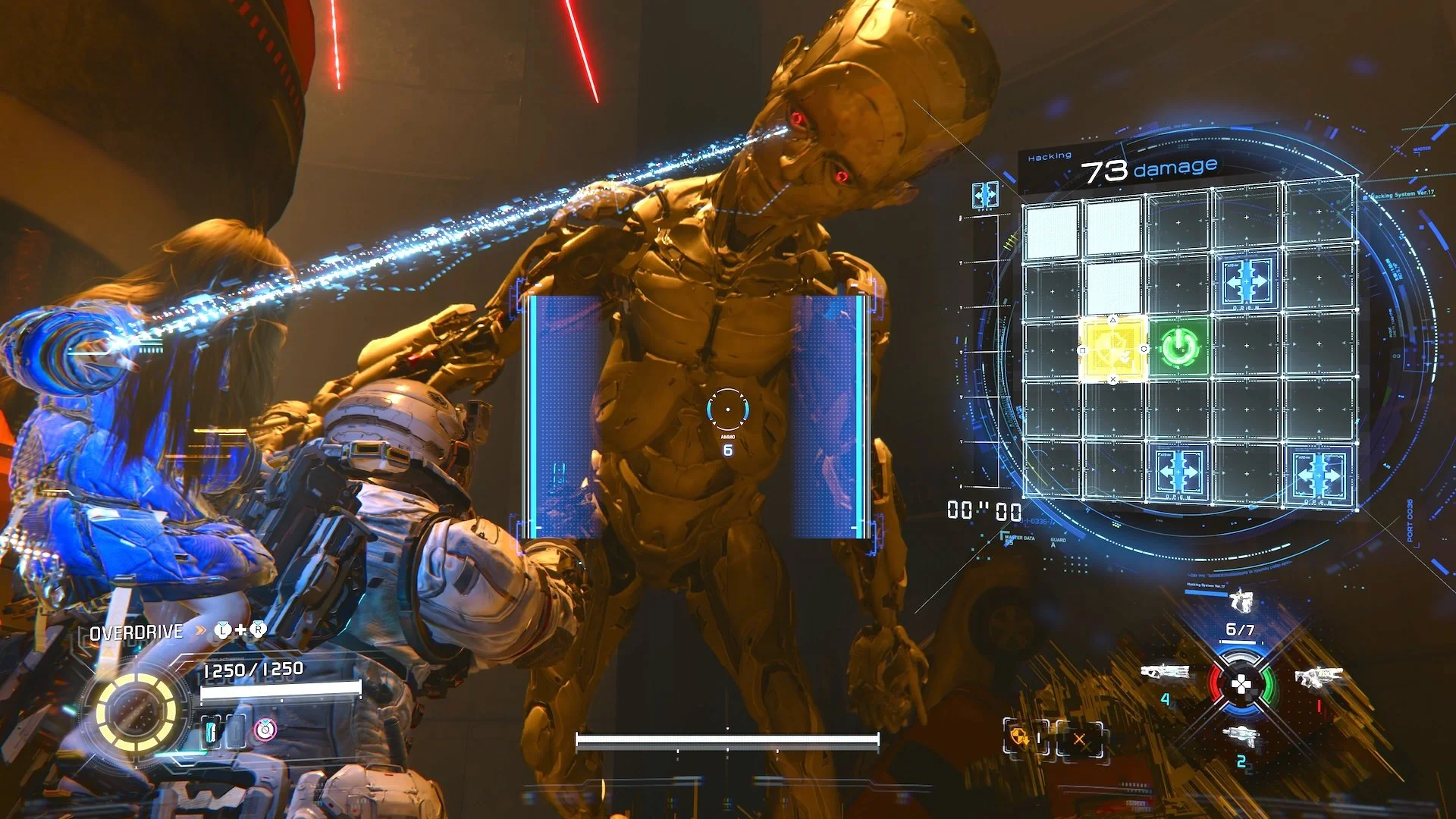
This is now all I think about when giving my kids a piggyback ride.
Pragmata is one of those rare modern AAA games that actually tries something different—and more importantly, commits to it. After years of delays and mystery, Capcom finally delivered a sci-fi action-adventure that blends shooting, hacking, and emotional storytelling into a surprisingly cohesive experience.
Setting & Premise – Isolation Done Right
Set in a near-future lunar research facility, Pragmata wastes no time establishing its tone. Earth has lost contact with a moon base tied to advanced material research, and when astronaut Hugh Williams arrives to investigate, things immediately go wrong. He’s injured, isolated, and quickly realizes the station is under the control of a hostile AI.
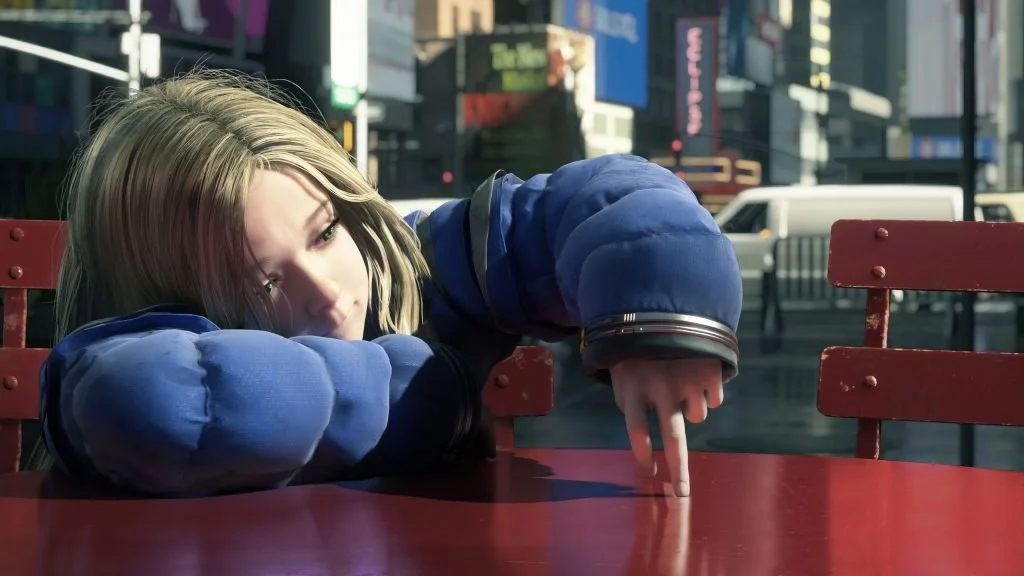
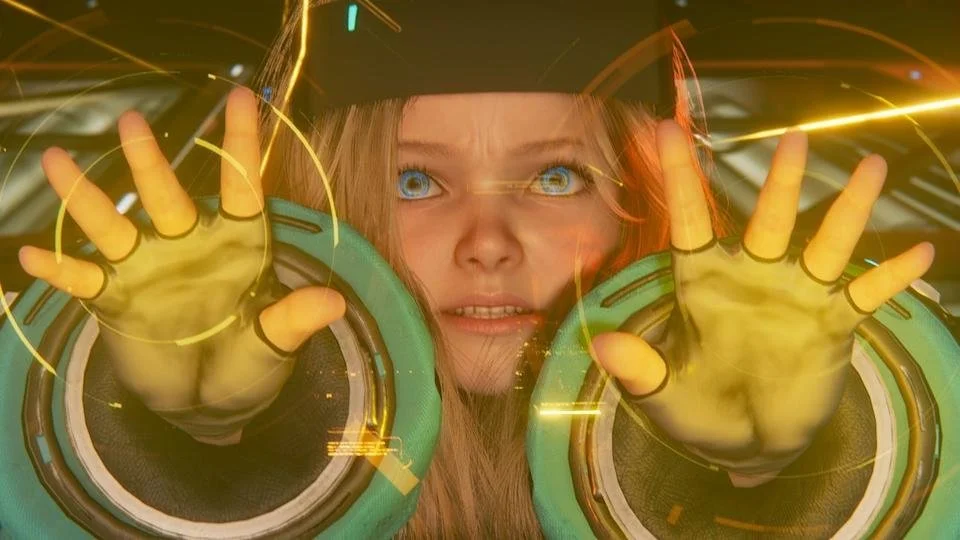
That’s where Diana comes in—an android with the appearance of a young girl, but with powerful hacking abilities. The entire narrative revolves around these two trying to survive and make their way back to Earth while uncovering what really happened on the station.
The setting itself is a standout. The lunar base feels cold, artificial, and eerie, and that isolation amplifies both the tension and the emotional beats throughout the story.
Gameplay – A True Hybrid System
This is where Pragmata separates itself from almost everything else on the market.
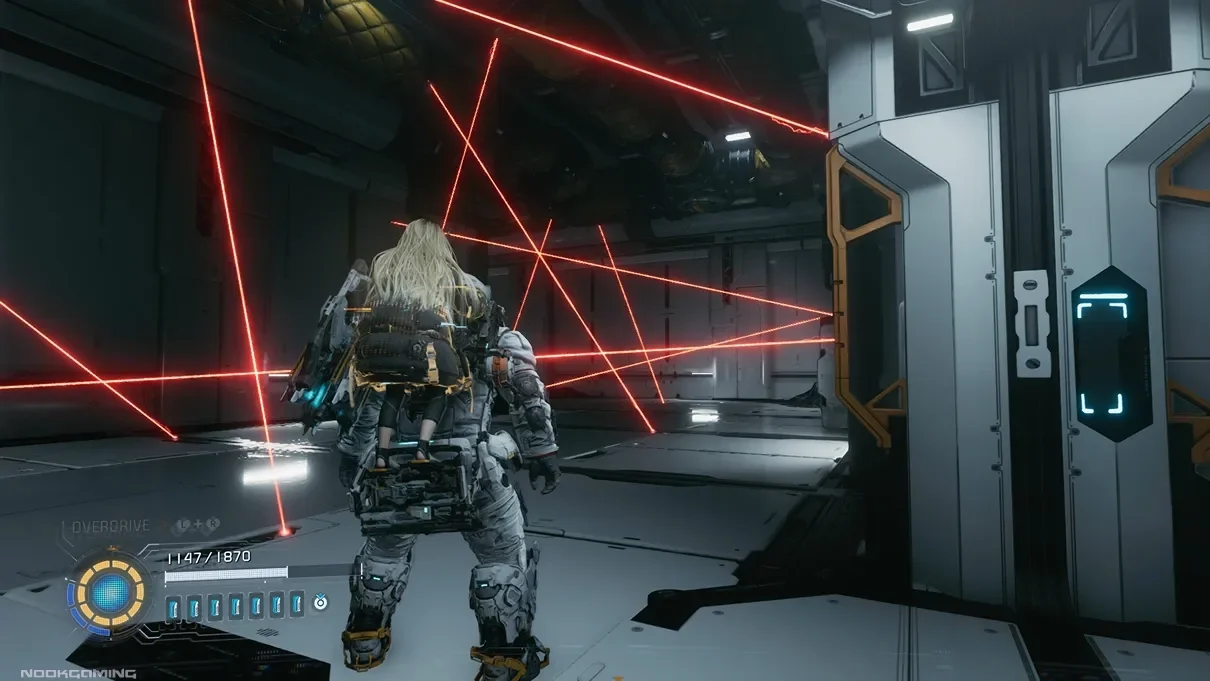
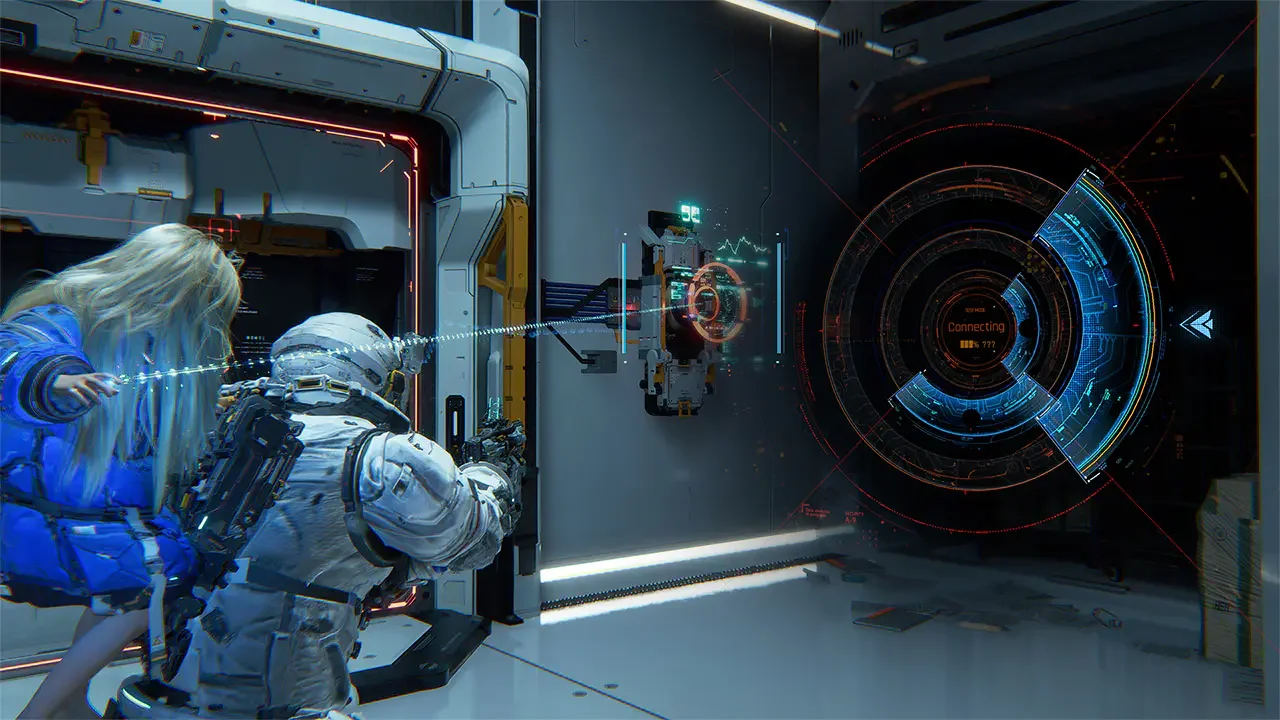
At its core, it’s a third-person action game—but layered on top of that is a real-time hacking system. You simultaneously control Hugh (combat, movement, survival) and Diana (hacking, puzzle-solving, enemy disruption).
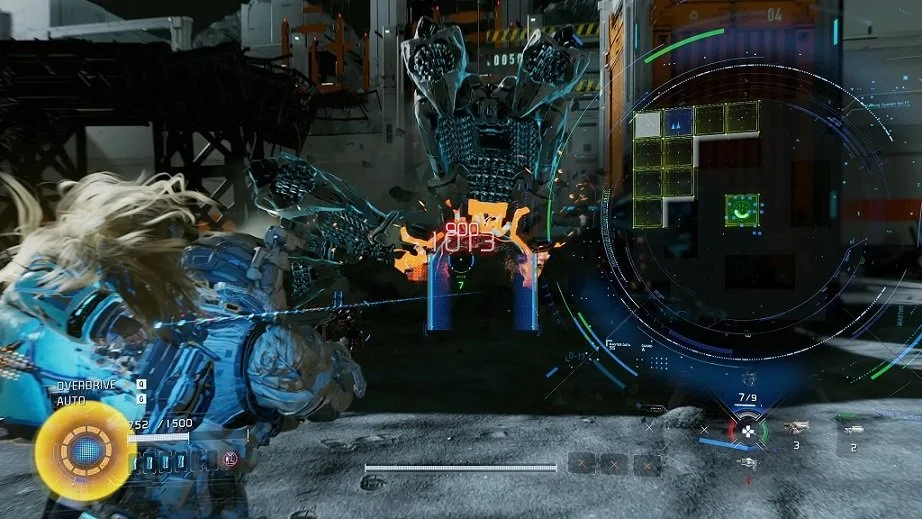
What makes it special is that the hacking isn’t a pause-and-solve mechanic—it happens during combat. You’re constantly juggling positioning, aiming, and solving mini hacking paths at the same time.
When it clicks, it’s incredibly satisfying. Combat feels strategic rather than reflex-only, and every encounter demands attention.
However, there’s a learning curve. Early on, the dual-control system can feel overwhelming, especially in high-pressure fights. This is a game that asks for patience before it rewards mastery.
Story & Characters – The Real Core
While the gameplay is the hook, the emotional core is what sticks.
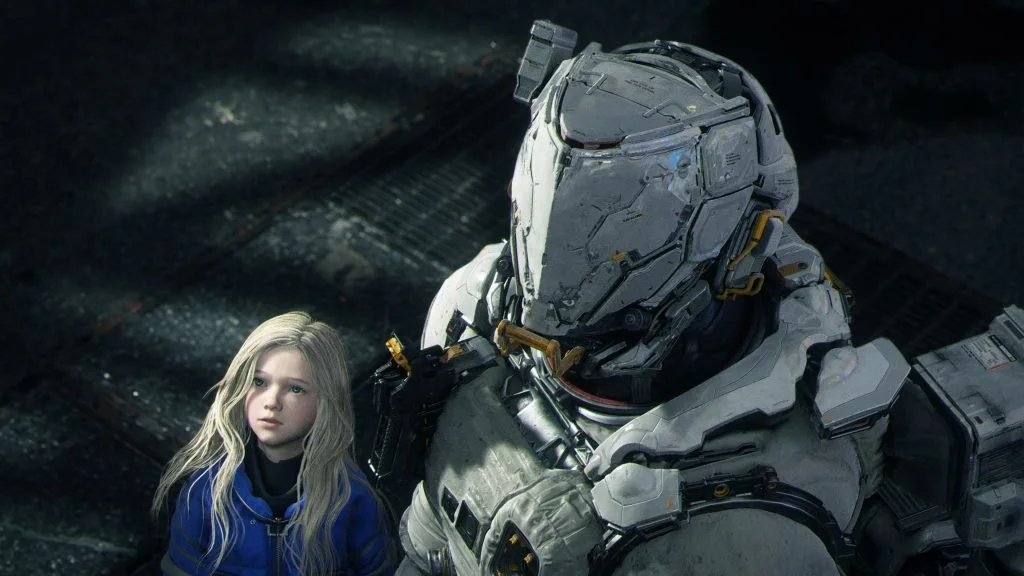
Hugh and Diana’s relationship evolves naturally over the course of the game. Hugh starts off as a fairly grounded, almost cynical character, while Diana is curious and learning—almost childlike in her interactions.
It’s not groundbreaking in premise, but it’s well executed. The writing gives the characters room to breathe, and their interactions carry a lot of the emotional weight.
Pacing & Structure – Focused by Design
One of the most refreshing aspects of Pragmata is its pacing.
This isn’t an open-world game packed with filler. Instead, it delivers a tight, linear experience that prioritizes story and gameplay cohesion. Industry impressions and player data suggest a roughly 10–12 hour campaign, with additional content extending playtime further.
It feels closer to classic PS3/Xbox 360-era action games in design philosophy—focused, contained, and intentional.
Visuals & Presentation – Clean and Purposeful
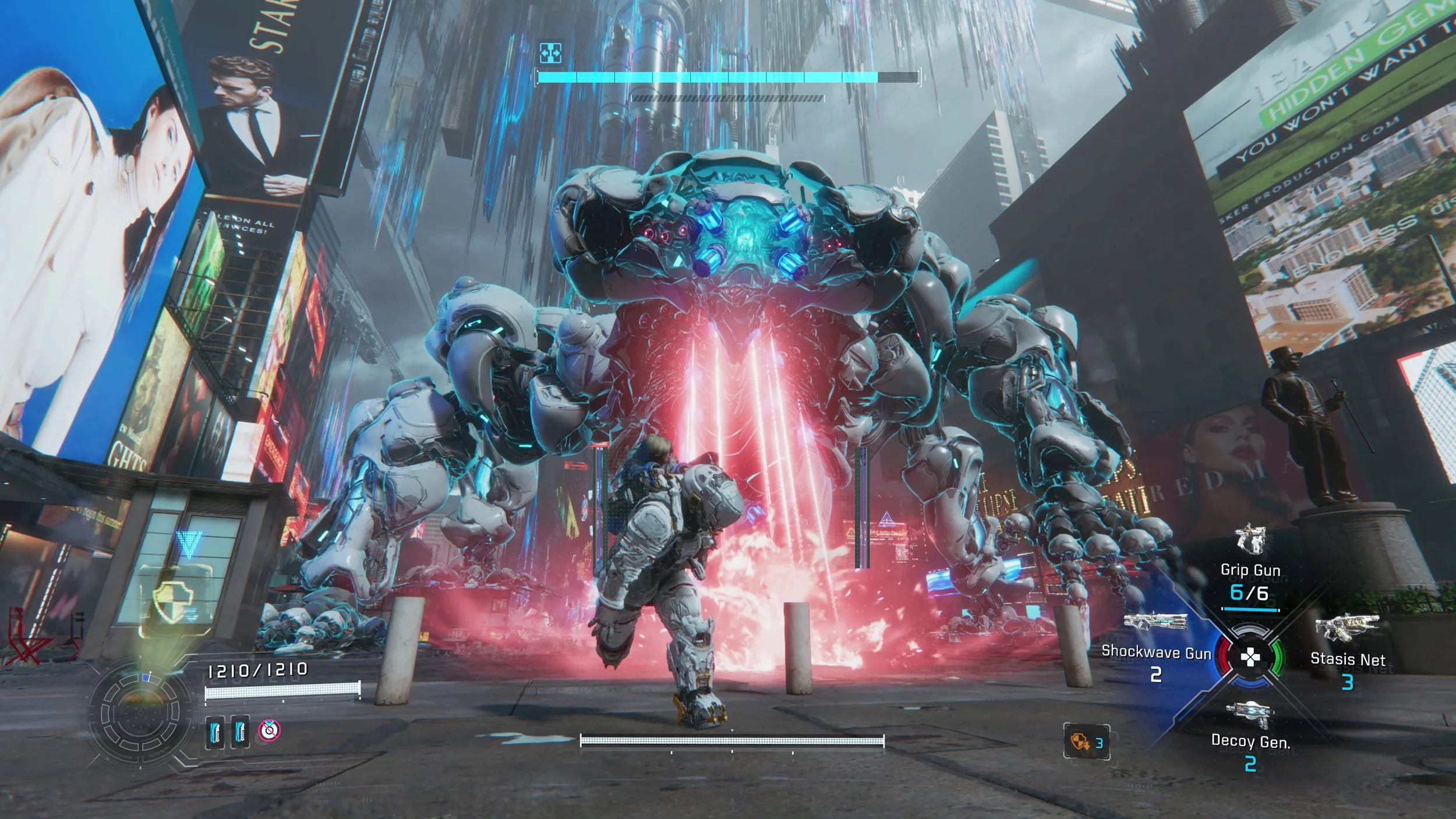
Powered by Capcom’s RE Engine, Pragmata delivers strong visual fidelity without relying on spectacle alone.
The environments are sleek and futuristic, with a sterile aesthetic that reinforces the game’s tone. Lighting, particle effects, and environmental detail all contribute to immersion, especially in zero-gravity or low-gravity segments.
Character animation is another highlight, particularly in how Diana moves and reacts. The contrast between mechanical environments and human emotion is visually reinforced throughout the game.
Audio & Atmosphere
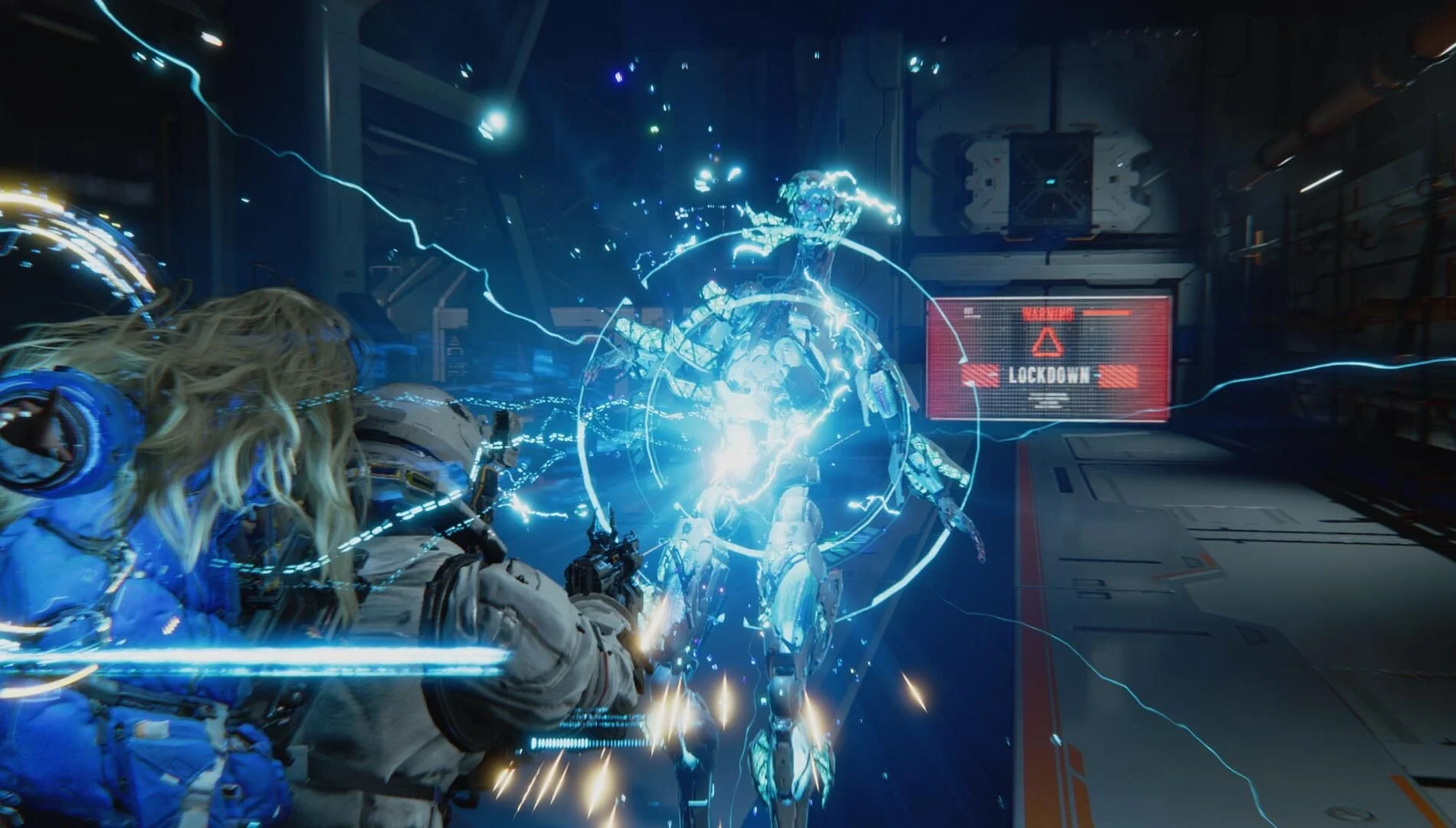
The sound design plays a huge role in selling the experience. From the hum of machinery to the echo of footsteps in empty corridors, the game leans heavily into atmospheric tension.
The soundtrack complements this well, shifting between ambient sci-fi tones and more emotional themes during key story moments. Voice acting is solid across the board, with natural chemistry between the two leads.
Strengths
Pragmata succeeds most in its willingness to innovate. The dual-character system is genuinely fresh, and when mastered, creates one of the most engaging combat loops in recent memory. The focused pacing keeps the experience tight, and the emotional narrative gives the game lasting impact.
It’s also worth noting that the game launched to strong reception and quickly hit over 1 million copies sold, signaling both commercial and critical success for a brand-new IP.
Weaknesses
The biggest hurdle is accessibility. The gameplay systems demand a lot from the player early on, and not everyone will enjoy managing two mechanics simultaneously in real time.
Replay value is also somewhat limited. Once you’ve completed the story and explored optional content, there isn’t a huge incentive to return beyond personal enjoyment.
Finally, players expecting a massive open-world experience may find the linear structure restrictive.
Final Verdict
Pragmata is a bold, creative swing in a market full of safe sequels—and it largely pays off. It blends action, strategy, and storytelling into a unique experience that stands out not just because it’s different, but because it executes its ideas well. The dual-character gameplay is innovative, the story is emotionally grounded, and the pacing respects your time.
It’s not perfect, and it won’t be for everyone—but if you’re looking for something that feels new, this is absolutely worth your time.