MIO: Memories in Orbit
A Beautiful, Thoughtful, Slightly Flawed Journey
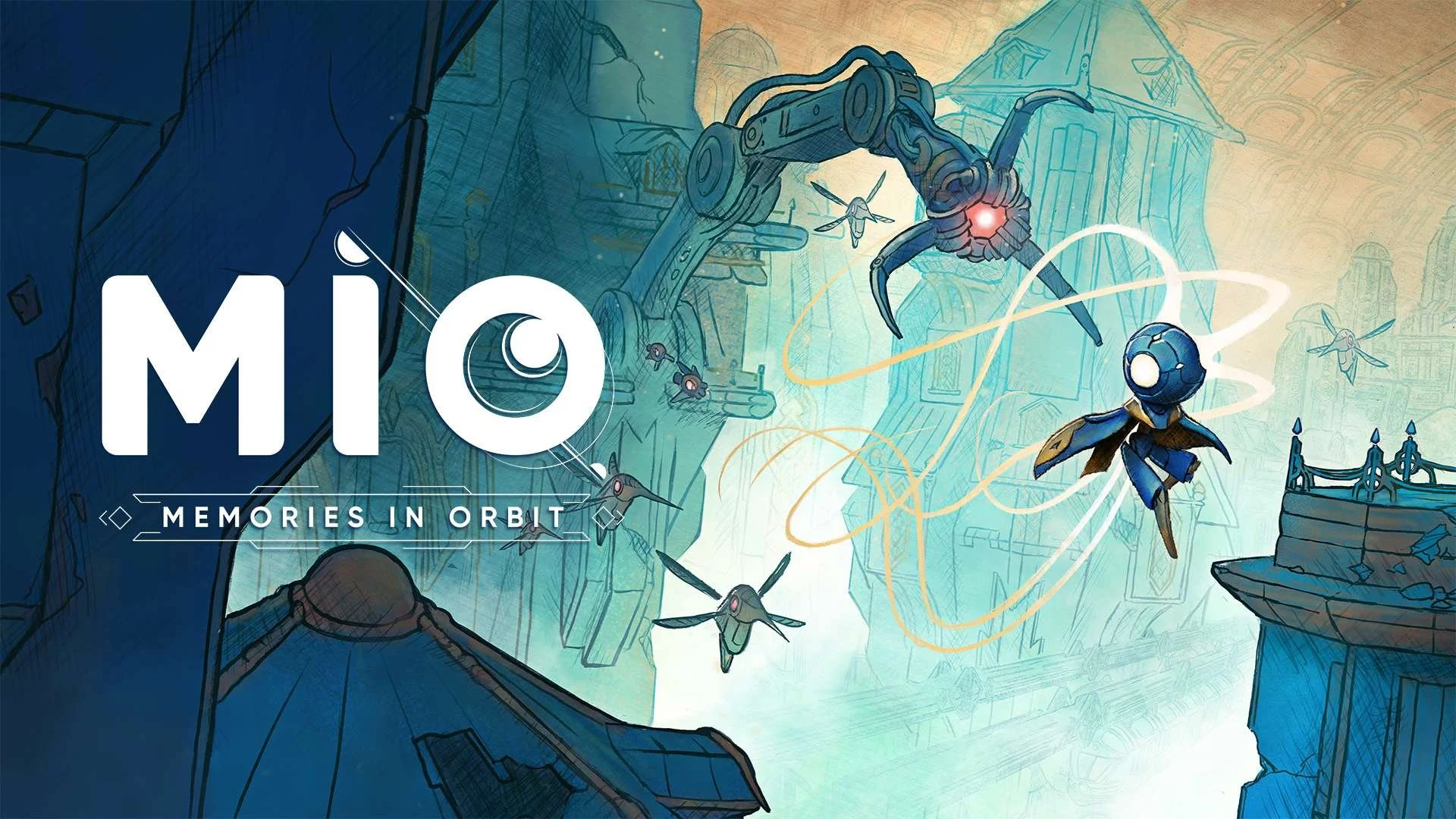
You play as Mio, a small robot waking up on a massive, dying spaceship called the Vessel. No hand-holding, no clear directions—just vibes and a lot of unanswered questions. That’s intentional. The game leans heavily into environmental storytelling, letting you piece together what happened through exploration rather than exposition. It’s immersive, but also… yeah, you might get lost a few times (okay, a lot).
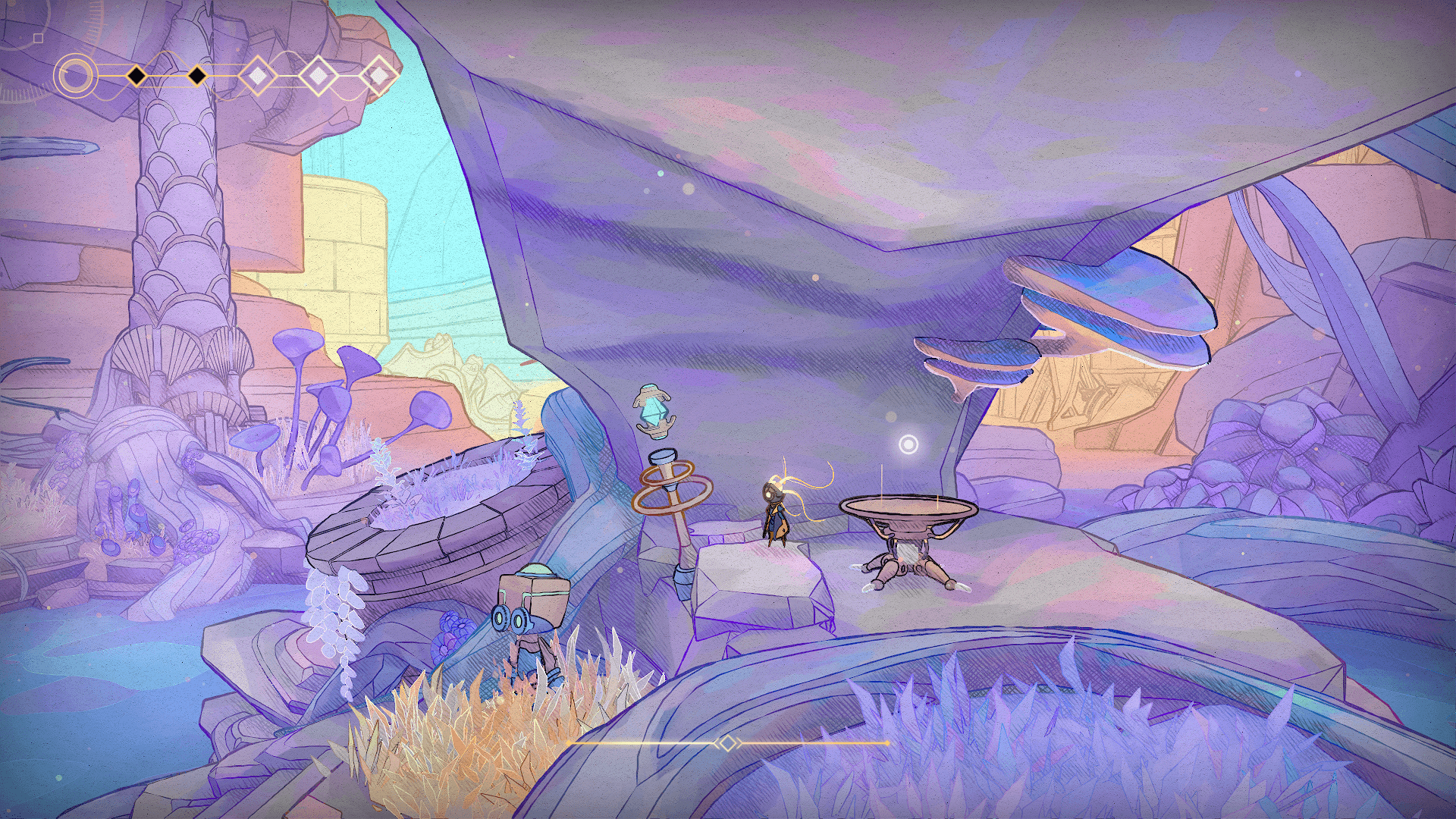
Visuals & Atmosphere: The Real Star of the Show. Let’s be real—this is where MIO absolutely shines. Hand-drawn, painterly art style; Soft, almost dreamlike color palettes, a soundtrack that quietly pulls you deeper into the world. The whole experience feels like playing through a moving sci-fi graphic novel. Critics consistently highlight the art and atmosphere as the game’s biggest strengths. This is the kind of game where you’ll stop and just look around.
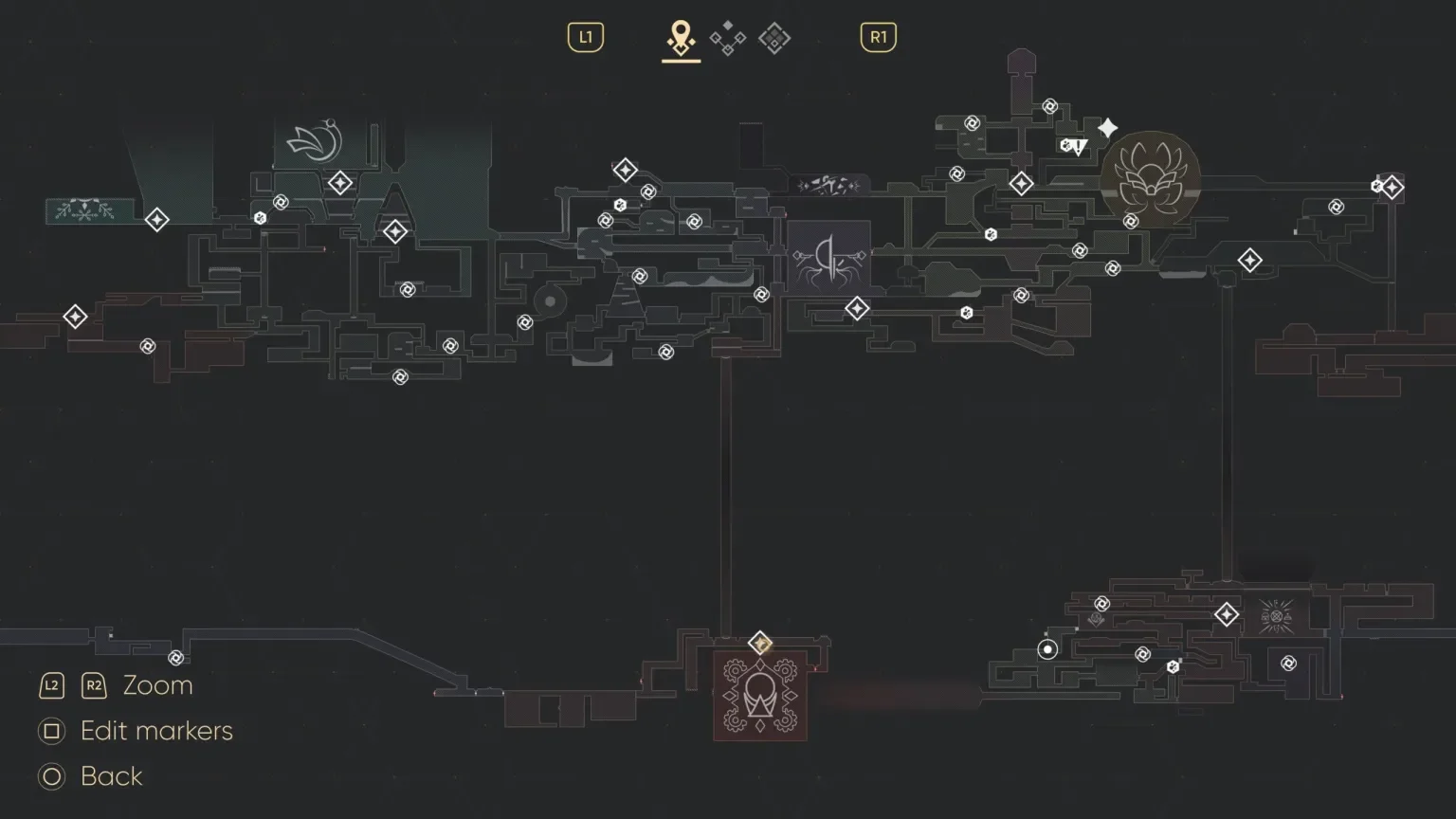
Exploration is the core loop—and it’s done well. Interconnected world design, ability-based progression (classic Metroidvania style), constant “what’s over here?” curiosity, and when it clicks, it’s super satisfying. There’s a real sense of discovery as you slowly unlock new paths and abilities. But here’s the catch: Objectives can feel unclear, and backtracking can get repetitive. Early pacing is a bit slow but yeah—this is a “trust the process” kind of game.
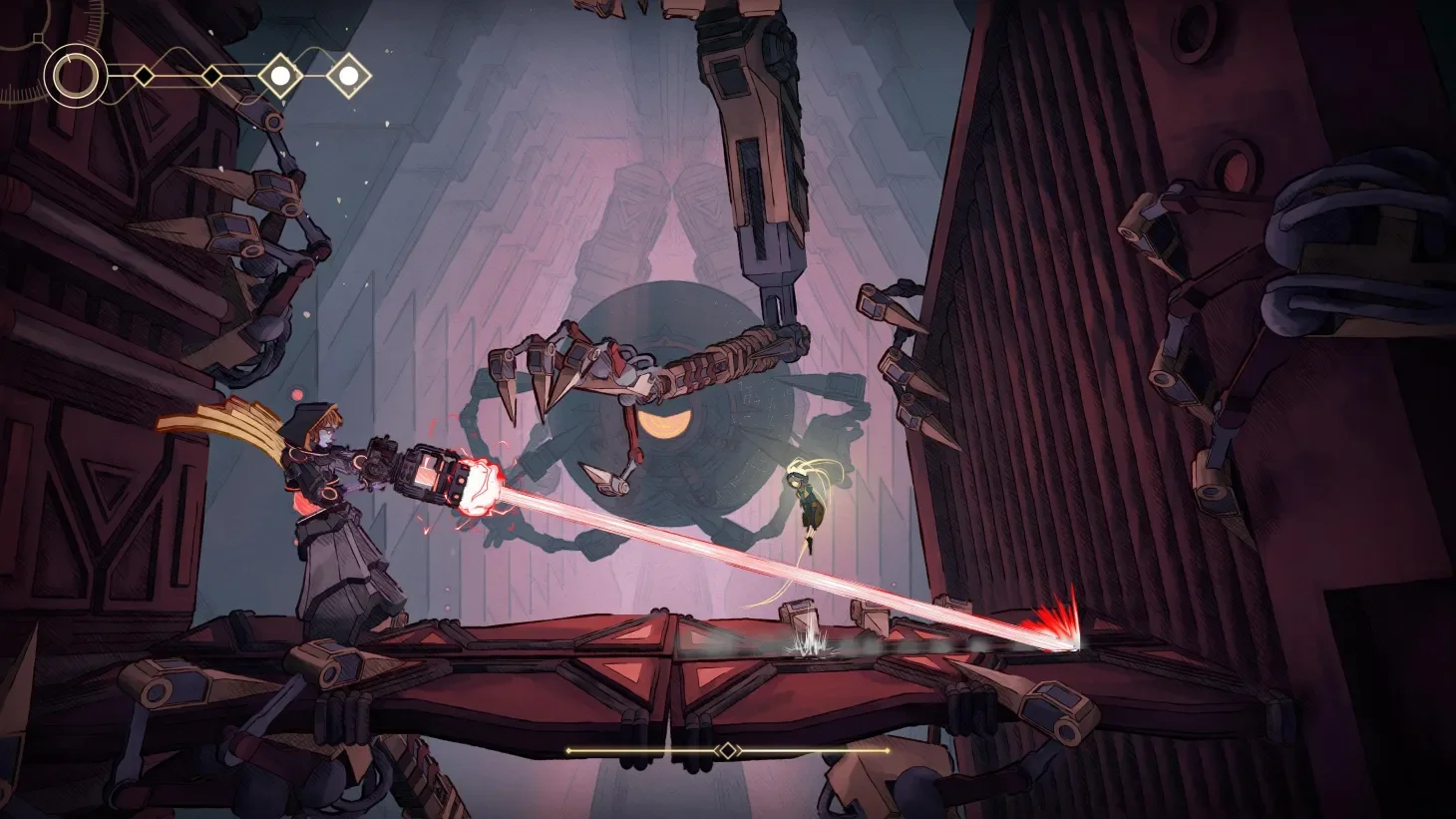
Combat gets the job done… but it’s not the main attraction. It has basic combos (nothing too flashy), a limited build variety, and boss fights are decent but not always memorable. Basically, you’re here for exploration, not combat mastery. For Difficulty & Progression, MIO sits in an interesting middle ground, It’s more accessible than hardcore Metroidvanias, still has some tough platforming sections, and occasional frustrating difficulty spikes. The game starts off manageable but ramps up later, especially in traversal-heavy areas. Progression can also feel a bit repetitive early on, which may test your patience.
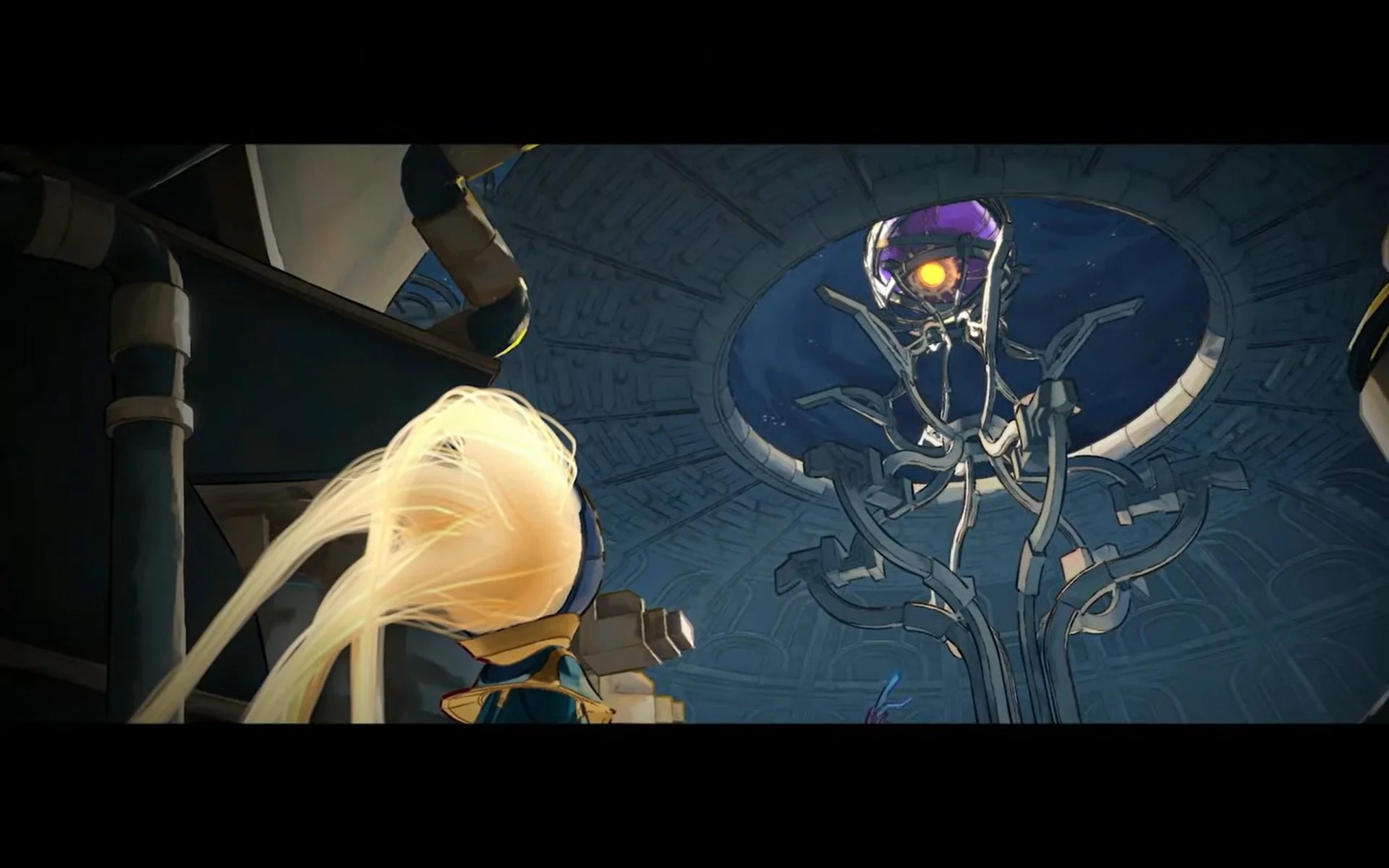
The narrative isn’t loud—it’s quiet, emotional, and slowly revealed. Themes of memory, identity, and decay, strong environmental storytelling and emotional connection builds over time. It’s the kind of story that sneaks up on you rather than hitting you over the head.
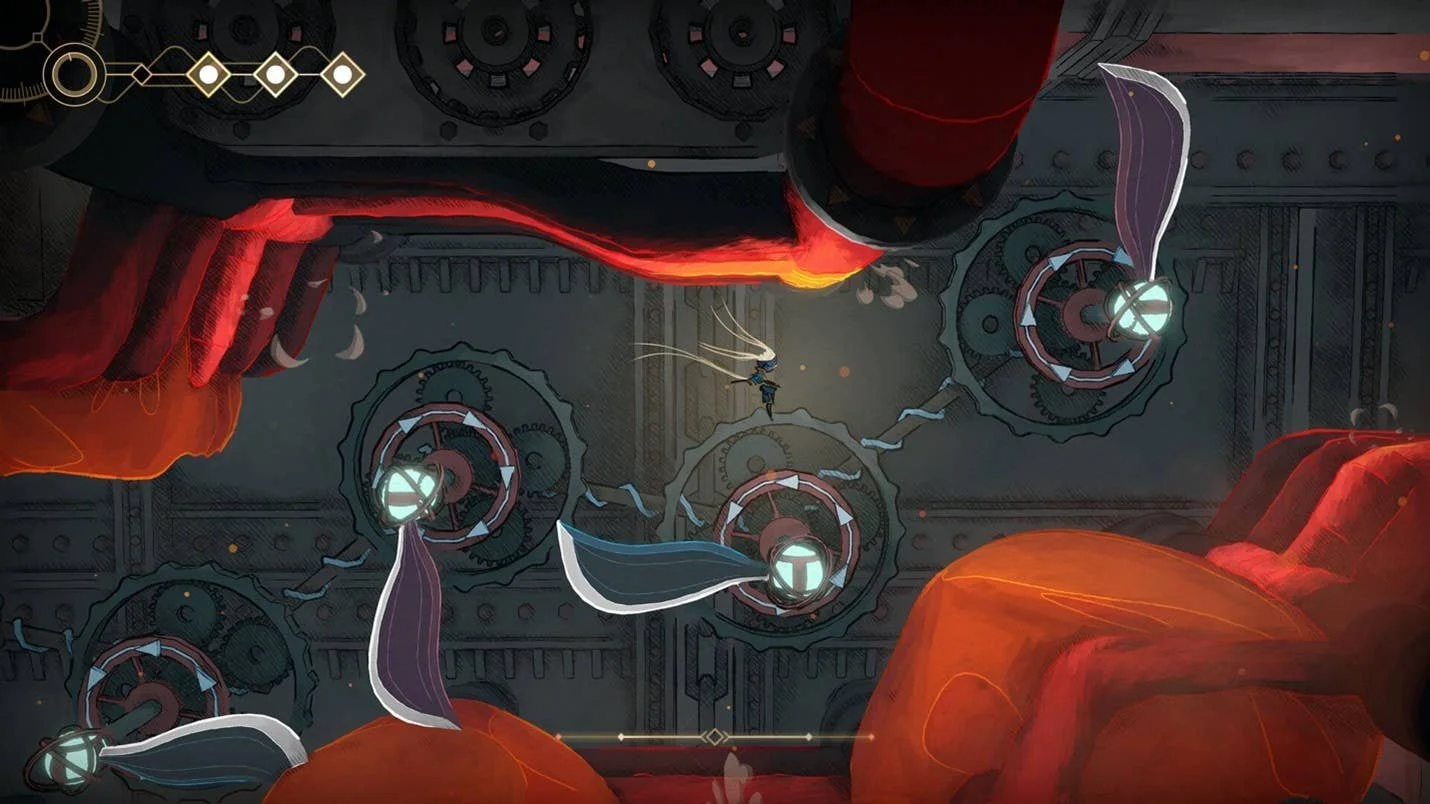
Final Verdict: MIO: Memories in Orbit is a “good, not great” Metroidvania that excels in atmosphere but plays it safe in mechanics. What It Does Well: Stunning art and world design, Strong sense of exploration, and emotional, subtle storytelling. Where It Falls Short: Combat lacks depth, and pacing can drag early on.
Overall, it really doesn’t stand out much in a crowded genre